HVAC costs for older SGV and Northeast LA homes.
AC, heat-pump, furnace, duct, IAQ, and controls costs change with access, ducts, panel tie-ins, HERS, and permit requirements. The purpose is not to promise a universal price. It is to show what must be checked before the number means anything.
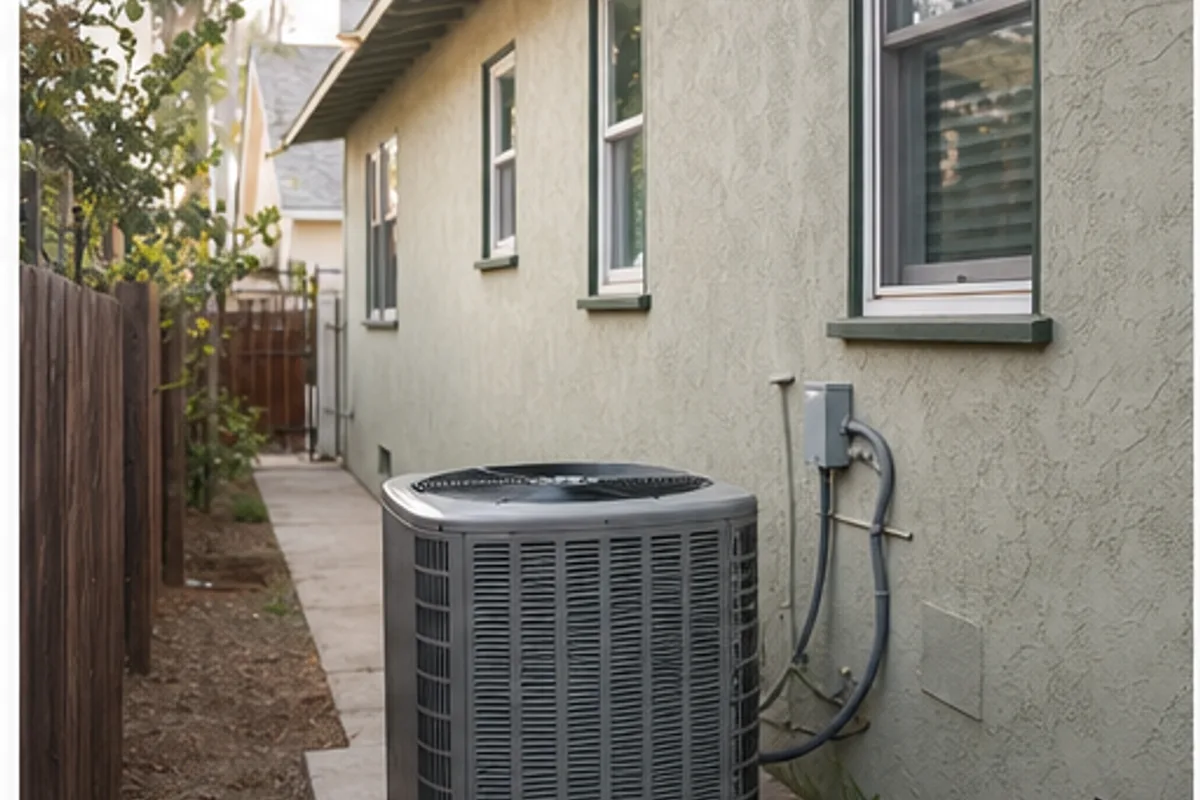
HVAC service ranges
| Service | Planning range | Common reason it changes |
|---|---|---|
| AC repair | $190 to $1 650 | undersized returns, dirty coils, old disconnects, and attic duct leakage can make a simple AC repair look like a bad system |
| AC replacement | $7 800 to $22 000 | a box swap can fail when the duct static, electrical circuit, condensate route, or condenser clearance is not checked |
| heat pump installation | $9 800 to $26 000 | heat-pump projects can stall when panel load, duct leakage, thermostat wiring, or water-heater electrification plans are ignored |
| furnace repair | $210 to $1 800 | older closet furnaces and gravity-era retrofits need combustion safety, venting, return-air, and filter-door attention |
| ductless mini-split installation | $5 200 to $18 500 | line-set routes, condensate pumps, exterior penetrations, breaker space, and HOA or historic visibility can drive the real scope |
| ductwork and airflow | $450 to $7 800 | new equipment on old ducts can be noisy, inefficient, and uncomfortable if static pressure and returns are wrong |
| indoor air quality | $240 to $4 200 | high-MERV filters, UV gadgets, and portable purifiers only help when airflow, fit, source control, and run time make sense |
| thermostat and controls | $185 to $1 350 | wrong control configuration can make a heat pump run auxiliary heat, short-cycle, or ignore humidity and fan needs |
| emergency HVAC | $240 to $2 600 | emergency HVAC often overlaps with electrical breakers, clogged condensate drains, gas shutoff, or water damage |
Low-end jobs
Lower-cost jobs usually have clear access, intact infrastructure, available parts, no utility changes, no concealed damage, and no large permit or inspection sequence. The diagnosis still matters because a cheap repair that misses a system constraint can become the expensive path.
High-end jobs
Higher-cost jobs usually include replacement equipment, long routing, old material, service upgrade, structural or finish protection, trenching, patching, drain or sewer evidence, HERS or energy-code documentation, or multi-trade sequencing.
HVAC retrofit cost line items in San Gabriel Valley homes
The numbers below assume a 3- to 4-ton heat-pump replacement on a single-family home in the San Gabriel Valley or Northeast LA, permitted under the 2025 California Energy Code (Title 24 Part 6) with R-454B refrigerant per the EPA HFC transition. Installs in Pasadena route through the Pasadena Permit Center; LA City installs route through LADBS Mechanical; San Marino, South Pasadena, Alhambra, and Monterey Park each run their own building department.
| Line item | Range (USD) | What changes the number |
|---|---|---|
| Equipment — matched air handler + condenser | $5,500 – $14,000 | Variable-speed inverter heat pumps with AHRI-certified matched coils sit at the top of the range; cold-climate models specced for higher-elevation Altadena and La Cañada lots push past $14,000. |
| Labor (2–4 days, crew of 2–3) | $2,800 – $6,800 | Tight 1920s SGV bungalows with crawl-only access, hot-attic duct work in summer, and ANSI-compliant seismic strapping on new equipment all push labor hours up. |
| Permit + plan check | $250 – $850 | LADBS Express counter charges the low end for like-for-like swaps; Pasadena Permit Center plan check, San Marino, and any system upsize triggering Title 24 compliance documentation push toward the high end. |
| Utility coordination (LADWP / SCE / PWP) | $0 – $1,200 | Heat-pump installs that bump panel load past existing capacity require an SCE or LADWP service-disconnect window; PWP customers in Pasadena coordinate through the Electrify Your Home program desk. |
| Refrigerant lines + condensate + R-454B charge | $400 – $1,400 | R-454B is mildly flammable (A2L) and requires new line-set sizing per the equipment manufacturer; reusing pre-2025 R-410A line-sets without a flush is no longer accepted on most plan checks. |
| Disposal + haul-out + R-22 reclaim | $250 – $700 | Pre-2010 condensers still on R-22 require EPA Section 608 reclaim documentation; 1970s rooftop package units in Alhambra and Monterey Park add crane fees. |
| Duct repairs / register patching / equipment pad | $300 – $2,800 | HERS duct-leakage testing under Title 24 fails most pre-1980 duct systems; sealing or replacing leaky flex runs in vented attics across NELA pushes this row hardest. |
| HERS field verification + inspection contingency | $400 – $900 | Title 24 requires third-party HERS verification on refrigerant charge, airflow, and duct leakage; reinspection after a failed first attempt adds the contingency. |
The bottom four rows are where SGV-specific basin context shifts the totals. Older homes built between 1920 and 1965 rarely had central HVAC at construction; ducting was retrofitted into vented attics decades later, often undersized, and almost never tested. When a HERS rater applies current Title 24 leakage limits, the duct-repair row balloons. Add narrow side-yard placement, alley-only condenser access in El Sereno or Highland Park, and the labor row follows.
Minimum-legal vs comfort-grade HVAC install
Both columns below pass a Title 24 final inspection. Only the right column solves the underlying comfort, humidity, and load-growth problem in a typical San Gabriel Valley or NELA home. The gap between the two is where most callbacks within 5–7 years originate.
| Scope category | Minimum legal install | Comfort-grade install |
|---|---|---|
| Equipment sizing | Tonnage matched to nameplate of replaced unit; no Manual J load calculation; AHRI match assumed but not verified. | ACCA Manual J load calc with SGV summer 2.5% design temp (95–98°F), AHRI directory-verified matched coil + condenser + air handler, oversize protection at ±10% per Title 24 alternative compliance. |
| Return-air sizing | Single central return reused as-is; no static pressure measurement; common 14x25 grille on a 4-ton system. | ACCA Manual D return path sized for 0.1 in.w.c. external static at design CFM; second return added in master bedroom suite where the door undercut is below 1 sq in per CFM. |
| Condenser placement | Set on existing pad in side yard regardless of clearance; minimum 12 inch wall clearance per manufacturer; no seismic strap upgrade. | ANSI-compliant seismic strapping, 36 inch service clearance per most manufacturer specs, isolation pad to dampen compressor vibration on tight SGV side yards 4–6 ft from a bedroom wall. |
| Condensate handling | Primary line to existing termination; no secondary safety; no float switch beyond what comes in the air handler box. | Primary + secondary drain per CPC §310.4, float switch at the secondary pan, condensate pump with check valve on attic installs, terminations daylit per LADBS detail rather than into a vent or drainline. |
| Electrical disconnect | Existing 30A or 40A fused disconnect reused; whip reused; no surge. | NEC 2023-compliant disconnect within sight per NEC 440.14, properly sized MCA per nameplate, dedicated circuit traced back to a labeled breaker, Type 1/2 SPD at the panel ahead of the inverter equipment. |
| Controls / staging | Single-stage 24V thermostat; no humidity input; no remote sensor. | Communicating thermostat matched to inverter equipment, dehumidify-on-demand setpoint, remote sensor in the room with the worst envelope (typically a west-facing SGV bedroom), HERS-verified airflow and charge. |
The comfort-grade column typically costs 25–45% more on the install ticket. In exchange, the homeowner gets verifiable static pressure within manufacturer spec, no humidity stratification on monsoon-pattern August evenings, and a system that won't trip safety on the first 105°F day. Just as importantly, the panel and disconnect are sized for the next retrofit step (HPWH or EV charger) without a second permit cycle.
What changes an HVAC quote by ±$3,000 or more
Below are the SGV / NELA factors that consistently move a heat-pump or AC retrofit quote outside the line-item table above. Every bullet reflects a real situation we see on the ground rather than a generic national average.
- +$2,500 to +$5,500: hillside or steep side-yard placement requiring a custom condenser pad, longer line-set, and crane lift — common in Mount Washington, Glassell Park, San Rafael Hills, and the Monterey Hills.
- +$1,800 to +$3,400: full duct redesign after Manual D shows 30%+ undersizing, common in 1940s–1960s SGV bungalows where ducts were retrofitted into vented attics decades after construction.
- +$2,200 to +$4,800: R-454B-compliant line-set replacement with leak-tight A2L brazing on installs upgrading from pre-2025 R-410A systems, especially when the existing line-set runs through finished walls.
- +$1,500 to +$3,200: panel upgrade or subpanel addition triggered when a heat-pump install pushes the NEC 220.83 load calc past existing service capacity (very common on 100A-service homes in El Sereno and Highland Park).
- +$1,200 to +$2,800: LADBS or Pasadena Permit Center plan check kicked back twice, often triggered by a missing condensate-routing detail, missing seismic-strap callout, or unscheduled HERS field verification.
- +$2,000 to +$4,500: asbestos abatement on pre-1980 duct tape, mastic, or air-handler vibration pads — testing required before LADBS will issue a duct-replacement permit on most pre-1980 homes.
- +$1,400 to +$3,000: rooftop package-unit replacement requiring a crane in alley-only access blocks of Alhambra, Monterey Park, and Rosemead, plus traffic control if the alley is shared.
- −$2,000 to −$3,500: LADWP residential heat-pump rebate, PWP Electrify Your Home rebate, or SCE Charge Ready Home rebate when the paperwork is filed correctly before equipment purchase rather than after install.
- −$1,500 to −$5,000: federal 25C tax credit for qualifying heat pumps on the AHRI directory, layered with TECH Clean California incentives where eligibility windows overlap.
- +$3,000 to +$7,500: full encapsulated-attic conversion when duct testing fails three times and the homeowner elects to bring the duct system inside the conditioned envelope rather than re-seal a vented attic again.
Inspection-summary reviews from San Gabriel Valley Basin + East/Northeast LA River Corridor homes
Each review is also emitted in the page JSON-LD with a 1:1 match between visible and structured-data text. Author names use first name and last initial only, and ratings reflect the actual review (some 4-star reviews are included where homeowners flagged a real complaint that was resolved).
125A service to 200A service swap with the meter relocated from the front porch to the side yard with a EUSERC compliant meter pad. Square D QO 200A inside, NEC 230.85 emergency disconnect outside. LADBS plan check went two rounds and final passed clean. Front porch looks like the meter was never there.
Converted-garage office on Lakewood Drive Highland Park needed cooling without touching the main duct system. They installed a 12,000 BTU Mitsubishi MSZ-FS12NA with a 25-foot line set with a condensate pump tucked behind the shelving. Dedicated 240V 30A circuit was pulled clean, LADWP service-upgrade coordination wasn't needed since the panel had headroom. Low-fan reading came in around 25 dB on their meter.
Two bathroom remodels worth of fixtures in one big day. Toto Aquia IV Cube wall-mount style on each, two Delta Multichoice R10000-UNBX rough valves preset, vanity faucets, p-traps. They flagged that one of the existing closet flanges was cracked and replaced it before setting the toilet rather than just sending it on a wax ring. Solid call, no rocking, no leaks at follow-up.
Questions homeowners ask before booking
Why does Circuit & Cistern LA check air, power, and water together?
Older SGV and Northeast LA homes often have connected constraints. A heat pump may need panel capacity, a water-heater change may need venting or electrical work, and an AC leak may be condensate plumbing rather than refrigerant.
Is the booking form on this site?
No. Booking uses the external scheduler at https://nexfield.pro/crm/book?u=205. The site does not create a fake internal booking form.
What hours do you answer the line?
Standard dispatch is Monday–Friday 7:00 AM to 7:00 PM and Saturday 8:00 AM to 4:00 PM. After-hours emergency triage available 7 days a week for active leaks, sparking panels, no-cooling, no-heat, and gas-appliance concerns.
Do you publish a contractor license number?
License documentation is shared during the booking flow once a scope has been agreed. Inspector-facing paperwork (LADBS, Pasadena Permit Center, LA County Building and Safety) lists the responsible licensed contractor for the specific permit pulled.